November 9, 2026
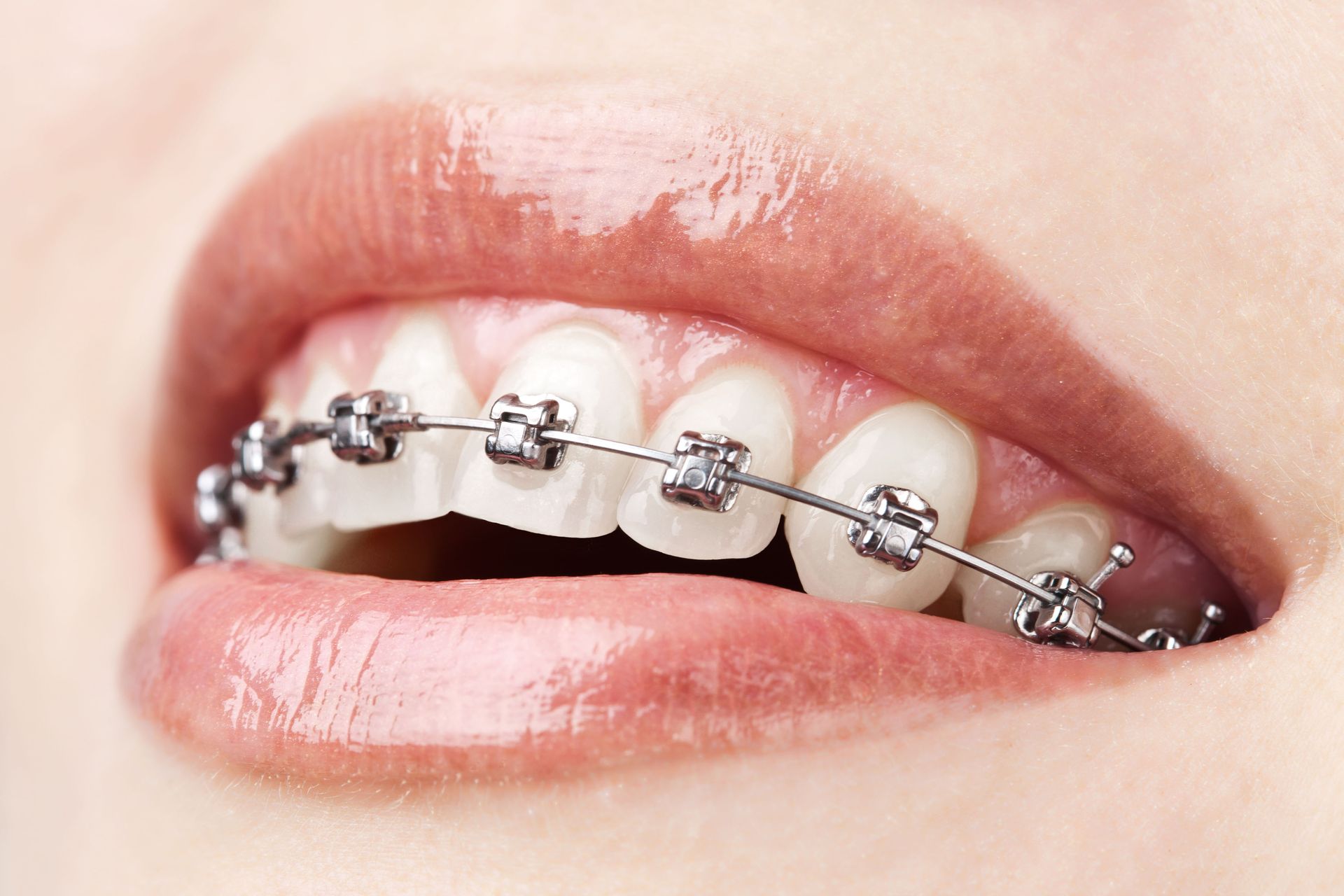
Maintaining good oral hygiene during orthodontic treatment helps protect teeth and gums while supporting a healthy smile. Brackets and wires can trap food particles and plaque, increasing the risk of cavities, gum inflammation, and bad breath. Consistent dental care helps prevent these problems and ensures teeth remain healthy throughout treatment.
According to Forbes, about 4 million people in the U.S. currently have or need braces, with 65% of adults reporting misaligned teeth, fueling demand for orthodontic care, including aligners. Whether patients choose traditional braces or teeth aligners, maintaining a thorough cleaning routine is essential for protecting their oral health. Proper hygiene also helps prevent discoloration and white spots that can remain visible after orthodontic treatment ends.
Brushing Techniques for Cleaner Teeth
Choosing the right toothbrush can make cleaning around orthodontic appliances easier. A soft-bristled toothbrush with a compact head helps reach areas around brackets, wires, and the gumline without irritating sensitive tissue. Electric toothbrushes can also help remove plaque effectively when used with proper technique.
Brush at least twice daily and ideally after meals to remove food debris before it accumulates. Spend approximately two minutes cleaning all tooth surfaces, paying particular attention to the areas above and below brackets. Patients using teeth aligners should also brush their teeth regularly and clean their trays according to their orthodontist's instructions.
Flossing for Healthier Gums
Flossing removes plaque and food particles from between teeth, where toothbrush bristles often cannot reach. These spaces require particular attention during orthodontic treatment because accumulated bacteria can contribute to gum disease and tooth decay. Daily flossing supports healthier gums and complements regular brushing.
Traditional braces may require floss threaders or specialized orthodontic floss to navigate around wires. Water flossers can provide another useful option for removing debris around orthodontic appliances, although they should complement rather than automatically replace conventional flossing. Patients wearing teeth aligners should remove their trays before cleaning between their teeth and follow their dental professional's recommendations.
Attending Regular Dental Appointments
Routine dental visits help identify potential problems before they interfere with orthodontic treatment. Orthodontic checkups often occur every four to eight weeks, depending on the treatment plan, and allow the provider to monitor tooth movement and make necessary adjustments. Keeping these appointments can help prevent delays and support the intended results.
Professional dental cleanings are equally important because plaque can accumulate in areas that are difficult to reach at home. A dentist or hygienist can remove hardened tartar, assess gum health, and identify early signs of tooth decay. Patients using teeth aligners should also attend recommended follow-up appointments to ensure their teeth are moving as expected.
Choosing Foods That Protect Orthodontic Appliances
Dietary choices can affect both the condition of orthodontic appliances and the health of teeth. Hard foods, sticky candy, chewing gum, and crunchy snacks can damage brackets or wires and may contribute to treatment interruptions. Softer foods, including yogurt, eggs, cooked vegetables, pasta, and soups, can be easier to eat, especially after adjustments.
Limiting sugary foods and drinks also helps reduce the risk of cavities. Sugar feeds bacteria that produce acids capable of damaging tooth enamel, particularly when plaque collects around orthodontic hardware. Patients wearing teeth aligners should remove their trays before eating and drinking anything other than water, unless their orthodontist provides different instructions.
Managing Discomfort During Treatment
Some soreness is common after braces are initially placed or adjusted because the appliances apply pressure to move teeth. Soft foods and guidance from an orthodontic professional can help make this adjustment period more manageable. Patients should seek professional advice before taking medication for discomfort, particularly if they have existing health concerns or take other medications.
Orthodontic wax can help reduce irritation caused by brackets rubbing against the inside of the cheeks or lips. Broken brackets, protruding wires, and persistent pain should be reported to the orthodontist rather than ignored. Patients using teeth aligners should contact their provider if trays cause unusual pain, become damaged, or no longer fit properly.
Maintaining Clean and Effective Aligner Trays
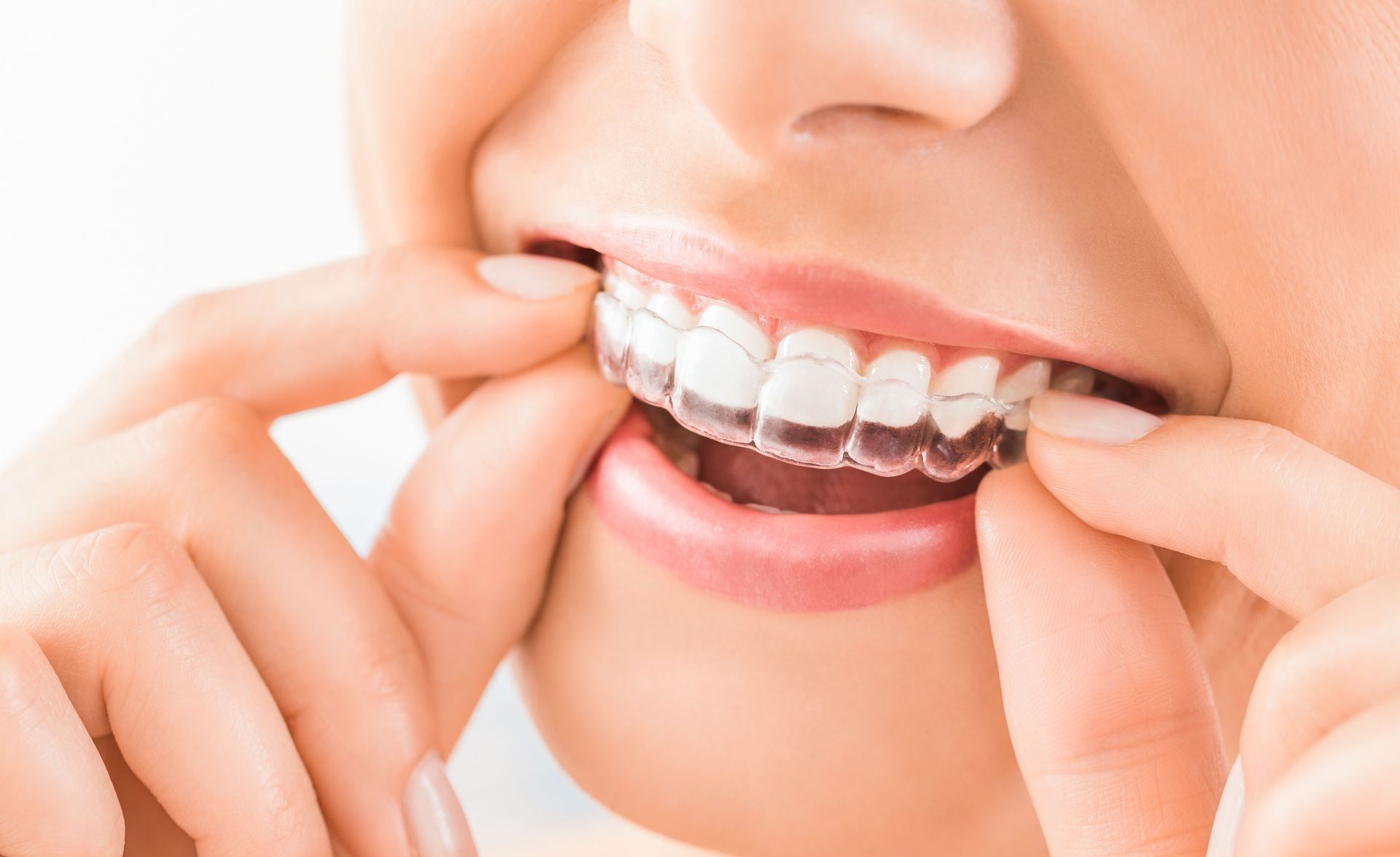
Clear aligners require regular cleaning to prevent odors, discoloration, and bacterial buildup. Patients should follow the manufacturer's and orthodontist's cleaning instructions and avoid hot water that could distort the trays. Keeping aligners in their protective case when not in use also reduces the risk of damage or accidental loss.
Wearing trays for the prescribed amount of time is important for maintaining treatment progress. Patients should not switch to the next set early or extend a treatment stage without guidance from their orthodontist. With teeth aligners, consistent wear, good oral hygiene, and scheduled checkups work together to support predictable results.
Recognizing Early Signs of Dental Problems
Monitoring changes in your teeth and gums can help prevent minor concerns from becoming more serious during orthodontic treatment. Redness, swelling, bleeding gums, persistent bad breath, and increased tooth sensitivity may indicate that plaque is accumulating or that dental issues are developing. Patients should discuss these symptoms with their dentist or orthodontist, particularly if they persist despite consistent oral hygiene.
White spots on tooth enamel can also develop when plaque remains around brackets for extended periods. These marks may indicate early mineral loss and can become permanent if the underlying problem is not addressed. Patients using teeth aligners should maintain clean teeth and trays to reduce bacterial buildup and protect enamel throughout treatment.
Maintaining Healthy Gums During Treatment
Healthy gums provide essential support for teeth as they move into their intended positions. When plaque accumulates along the gumline, the surrounding tissue can become irritated and swollen, making effective cleaning more difficult. Regular brushing along the gumline, daily flossing, and professional dental cleanings can help control plaque and support gum health.
Patients who notice frequent gum bleeding should not automatically assume that it is a normal part of orthodontic treatment. Improper brushing techniques, inflammation, and other dental conditions can contribute to bleeding, so persistent symptoms deserve professional evaluation. Maintaining healthy gums is important for anyone receiving orthodontic care, including those choosing teeth aligners instead of traditional braces.
Understanding Retainers After Treatment
Completing orthodontic treatment is an important milestone, but maintaining the results requires continued attention. Teeth can gradually shift after braces or aligners are discontinued because the surrounding tissues need time to adapt to their new positions. Retainers help keep teeth aligned and should be worn according to the orthodontist's instructions.
Different types of retainers are available, including removable trays and fixed retainers bonded behind certain teeth. Each option requires appropriate cleaning and regular monitoring to ensure it remains effective and comfortable. Patients who have completed treatment with teeth aligners should follow their retention plan carefully rather than assuming their teeth will remain in place without ongoing support.
Choosing the Right Orthodontic Treatment
The most appropriate orthodontic option depends on several factors, including the complexity of tooth alignment, bite concerns, lifestyle, and individual preferences. Traditional braces can address a wide range of orthodontic problems, while clear aligners may be suitable for many mild to moderate alignment concerns. An orthodontic evaluation helps determine which approach is appropriate for each patient's needs.
Patients considering treatment should ask about expected timelines, appointment schedules, costs, and daily care requirements before making a decision. They should also discuss any existing dental concerns that could affect treatment planning. Understanding the responsibilities associated with teeth aligners or braces helps patients establish realistic expectations and prepare for a successful treatment experience.