October 27, 2026
A straight smile can influence confidence, but some people hesitate to pursue orthodontic treatment because traditional braces are noticeable. Clear aligners provide another option for correcting certain tooth alignment concerns without prominent brackets and wires. These customized trays gradually guide teeth toward planned positions while fitting into many everyday routines. Invisible aligners may appeal to patients who value discretion, convenience, and flexibility. However, treatment requires consistent wear and professional monitoring. Understanding how aligners work, what they can address, and how to maintain results helps patients make informed decisions about their dental care.
Understanding the Growing Interest in Clear Aligners
Interest in discreet orthodontic treatment has increased as patients explore alternatives to traditional braces. Although metal braces remain effective for many alignment concerns, some individuals prefer appliances that are less noticeable. Clear aligners appeal to people who want to improve their smiles without drawing attention to their orthodontic treatment. This preference can be particularly important for adults who regularly interact with coworkers, customers, or clients.
According to Forbes, around 4 million Americans either wear braces or require them, and 65% of adults experience some degree of dental misalignment, increasing interest in orthodontic solutions such as clear aligners. These figures demonstrate the widespread interest in correcting dental alignment. As treatment options evolve, patients can explore approaches that accommodate their preferences, dental health, and everyday responsibilities.
Exploring the Technology Behind Clear Aligners
Clear aligner treatment uses customized trays designed to fit over a patient's teeth. Dental professionals typically begin by examining tooth alignment, bite relationships, and overall oral health. Digital scans or impressions may be collected to create models of the mouth. These records help establish a treatment plan that outlines how individual teeth should move throughout the process.
Invisible aligners apply controlled pressure to encourage gradual tooth movement. Patients progress through a series of trays, with each set representing another stage of correction. The number of aligners and treatment duration depend on the complexity of the orthodontic concerns. Dental professionals monitor progress and may adjust the plan when necessary. This individualized approach helps guide teeth toward their intended positions.
Maintaining a Discreet Appearance During Treatment
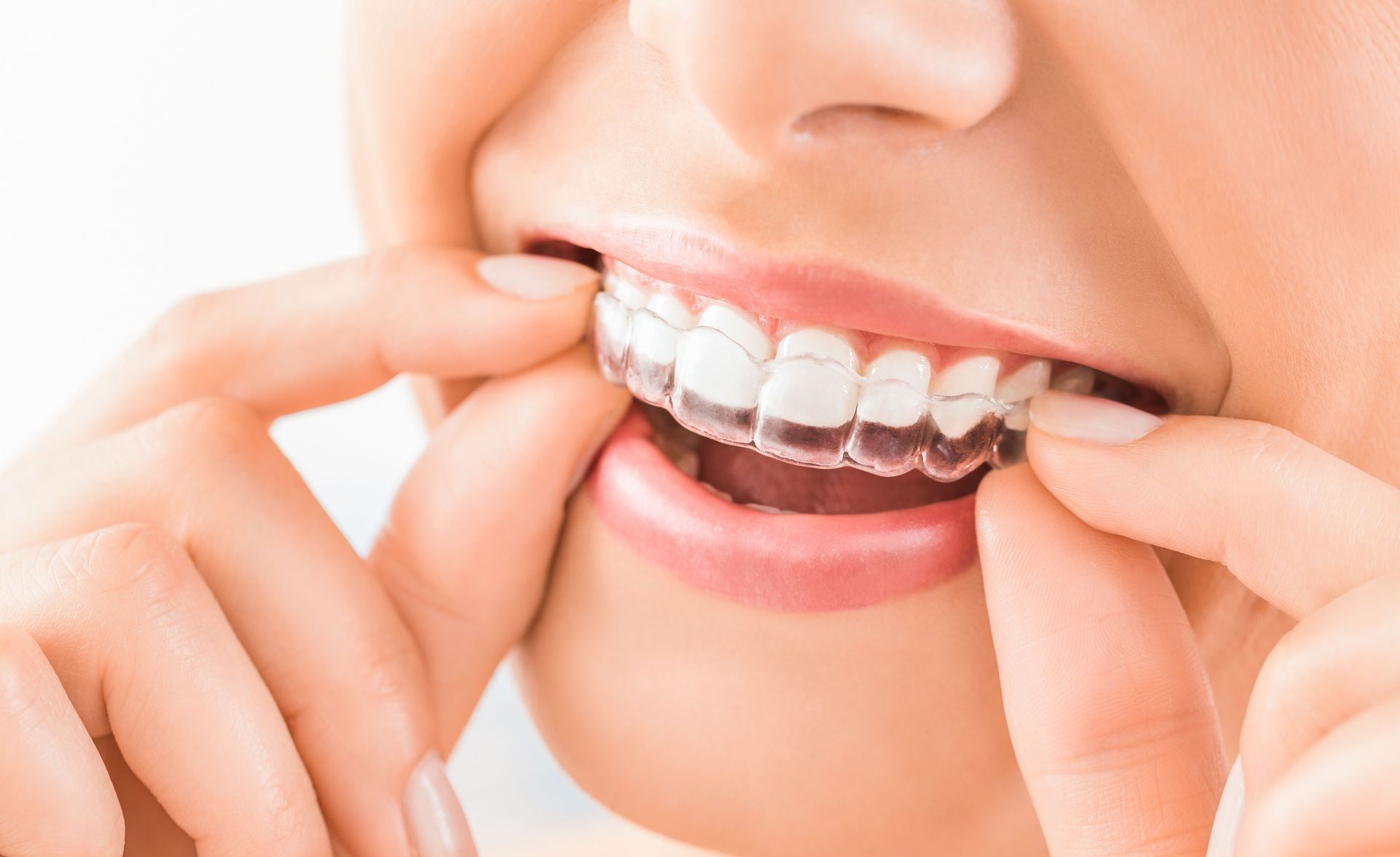
One reason patients consider clear aligners is their subtle appearance. Unlike traditional braces, which feature visible brackets and wires, transparent trays fit closely over the teeth. Although aligners are not completely invisible, they are generally less noticeable during conversations, photographs, and everyday interactions. This feature can appeal to adults and teenagers who feel self-conscious about wearing orthodontic appliances.
The discreet design may also help patients feel comfortable in professional and social environments. Individuals who attend meetings, deliver presentations, or interact with customers may appreciate an appliance that attracts less attention. However, appearance should not be the only consideration when choosing orthodontic treatment. Dental professionals must determine whether aligners can effectively address the patient's specific alignment concerns.
Enjoying Greater Flexibility With Removable Trays
Removability distinguishes clear aligners from traditional fixed braces. Patients can remove their trays when eating, drinking beverages other than water, and completing oral hygiene routines. This flexibility allows individuals to enjoy their usual foods without navigating brackets or wires. Removing trays during meals also helps prevent food particles from becoming trapped against the orthodontic appliances.
However, invisible aligners must be worn consistently to support planned tooth movements. Patients are commonly instructed to wear their trays approximately 20 to 22 hours daily, depending on professional recommendations. Removing them too frequently can interfere with progress and extend treatment. Individuals considering this option should evaluate whether they can maintain the recommended schedule while managing work, school, meals, and other activities.
Supporting Daily Oral Hygiene Practices
Maintaining oral hygiene is important during orthodontic treatment. Traditional braces can make brushing and flossing challenging because brackets and wires create additional surfaces around which plaque accumulates. Clear aligners offer a different experience because patients remove their trays before cleaning their teeth. This allows them to brush and floss without navigating permanently attached appliances.
Nevertheless, removable trays require regular cleaning. Patients should follow professional instructions for maintaining their aligners and avoid exposing them to conditions that could cause damage. Teeth should also be cleaned before trays are reinserted whenever practical. Invisible aligners can trap food particles and sugars against tooth surfaces if proper hygiene is neglected. Consistent cleaning helps protect oral health throughout treatment.
Addressing Common Dental Alignment Concerns
Clear aligners can correct certain orthodontic problems, including crowded teeth, unwanted spacing, and some bite irregularities. Crowding occurs when teeth lack sufficient room to align properly, while spacing concerns involve noticeable gaps. Depending on the situation, aligners may gradually reposition teeth to create a more balanced arrangement. Improving alignment can also make certain areas easier to clean.
However, not every orthodontic concern is suitable for clear aligner treatment. Severe bite discrepancies, complex tooth movements, and certain jaw alignment problems may require alternative approaches. A dental examination helps determine which options are appropriate. Patients should avoid assuming that one appliance can correct every type of misalignment. Professional recommendations consider tooth positioning, supporting structures, and desired treatment outcomes.
Preparing for the Initial Dental Consultation
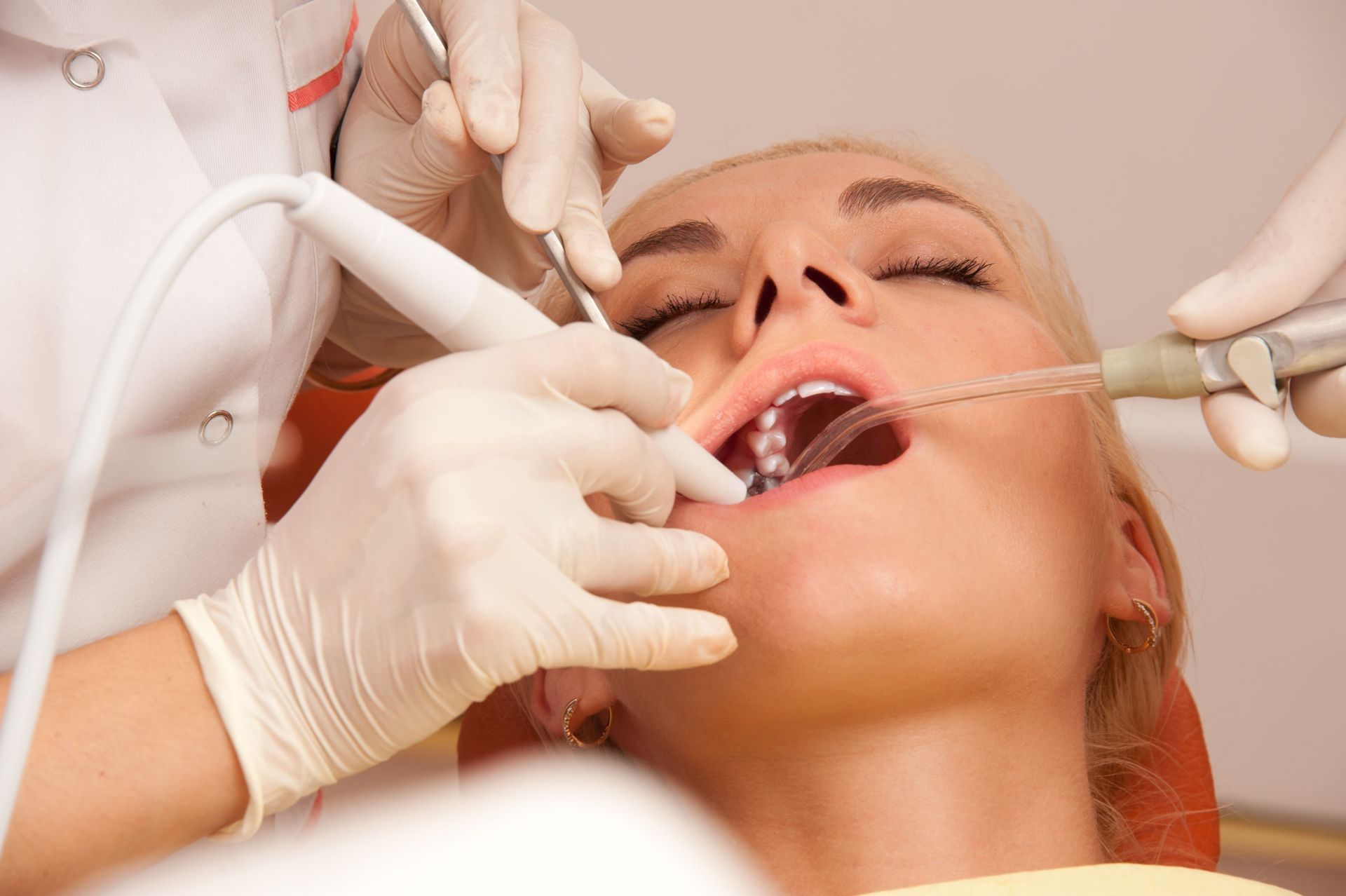
The initial consultation allows patients to discuss orthodontic goals and evaluate treatment suitability. Dental professionals may examine tooth positioning, gum health, existing restorations, and bite relationships. X-rays, photographs, or digital scans may also be recommended. These assessments help identify concerns that should be addressed before orthodontic treatment begins, including untreated cavities or active gum disease.
Patients considering invisible aligners should ask about expected treatment duration, appointment frequency, costs, and daily responsibilities. Understanding these details helps establish realistic expectations. The consultation also provides an opportunity to discuss previous orthodontic treatment, existing dental work, and concerns about comfort. Clear communication helps ensure the proposed approach aligns with the patient's individual needs and preferences.
Following the Recommended Treatment Schedule
Successful clear aligner treatment requires consistent participation. Trays are typically replaced according to a schedule established by the dental professional. Each new set encourages additional tooth movement, gradually progressing toward the intended alignment. Patients may experience temporary pressure or mild discomfort when beginning a new set, although experiences vary. Following instructions helps maintain the planned progression.
Regular dental appointments allow professionals to evaluate movement and identify potential concerns. Patients should report trays that do not fit properly, unexpected discomfort, or difficulties maintaining the wearing schedule. Invisible aligners may require adjustments if teeth do not move as anticipated. Keeping appointments and communicating concerns promptly helps support appropriate monitoring and reduce avoidable interruptions.
Maintaining Results After Orthodontic Treatment
Completing active orthodontic treatment does not eliminate the need for ongoing care. Teeth can shift afterward because of natural changes and surrounding tissue forces. Dental professionals commonly recommend retainers to help preserve the achieved alignment. Retainer instructions vary depending on the patient's circumstances, treatment history, and individual risk of tooth movement.
Patients should continue attending routine dental examinations and maintaining consistent brushing and flossing habits. Following retention recommendations is important because neglecting them can allow unwanted movement. Proper retention, regular professional care, and attention to oral health help protect treatment results. Understanding these responsibilities before beginning treatment allows patients to prepare for long-term maintenance.
Clear aligners have expanded orthodontic options for individuals seeking a less noticeable way to improve dental alignment. Their transparent appearance, removable design, and customized treatment planning make them appealing to patients with suitable orthodontic needs. However, successful treatment requires consistent wear, proper cleaning, professional monitoring, and continued retention after active tooth movement is complete. Invisible aligners may provide an effective solution for certain alignment concerns, but a dental evaluation is necessary to determine whether it is appropriate. Understanding the benefits, responsibilities, and limitations of treatment helps patients make informed decisions about their smiles. If you are interested in exploring discreet orthodontic options and learning whether clear aligners are suitable for your needs, contact McDaniel Family Dental today.