October 26, 2026
Missing teeth and jawbone loss can affect your options for restoring your smile. When the jawbone lacks sufficient volume, bone grafting may help rebuild the area and prepare it for treatment. Understanding the procedure can help you make informed decisions about your dental care.
Assessing Jawbone Health Before Dental Implants
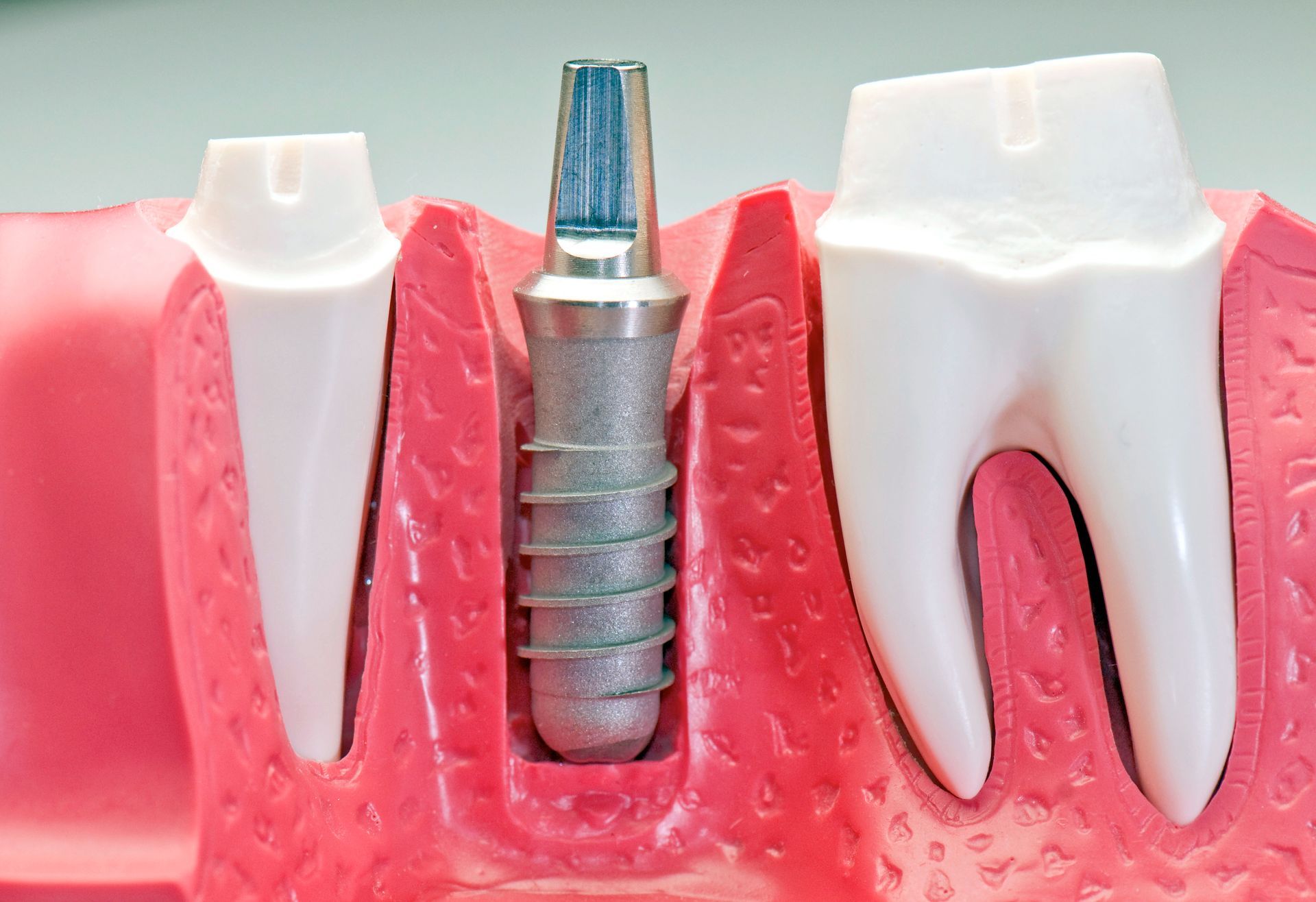
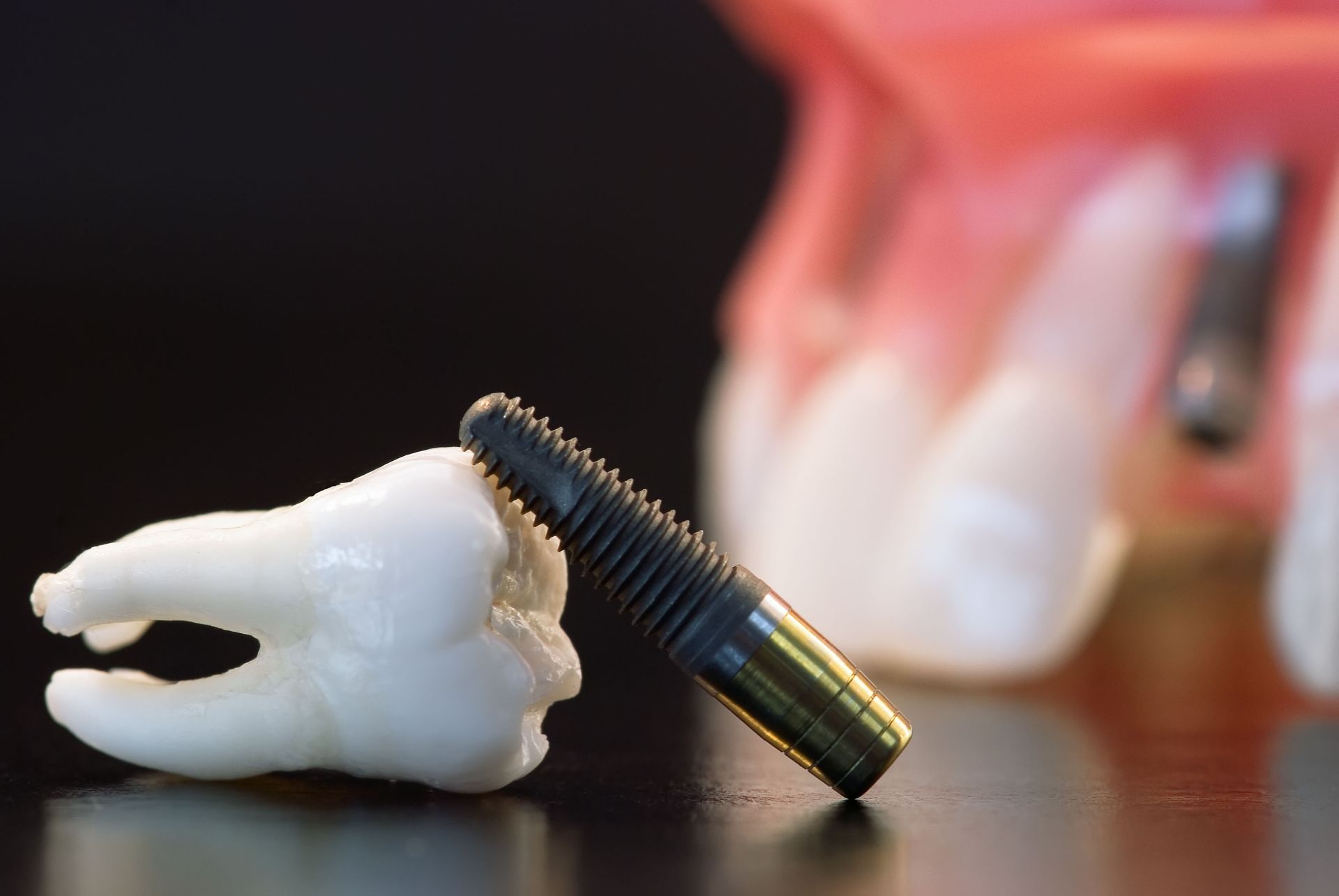
Replacing missing teeth requires enough jawbone to support a stable restoration. When bone deteriorates or loses volume, grafting may rebuild the area. Understanding bone health and treatment options helps patients prepare for restorative care and determine which procedures may be necessary. Patients considering dental implants can benefit from an early evaluation to identify potential bone deficiencies.
Understanding Bone Density
Bone density contributes to strength and structural integrity. In the jaw, sufficient bone volume and quality help support teeth and restorations. When bone is too thin or weak, it may not provide an adequate foundation for implant placement. A dental professional evaluates the jawbone to determine whether additional preparation is necessary and identify potential challenges before treatment begins.
Assessing Jawbone Structure
Dentists use examinations and diagnostic imaging to evaluate the jawbone. Cone beam computed tomography (CBCT) provides three-dimensional views of bone volume, shape, and nearby anatomical structures. These images help identify deficiencies and guide treatment planning. Accurate imaging also helps the dental team choose an appropriate placement location for dental implants while accounting for surrounding anatomy.
Recognizing the Effects of Bone Loss
Insufficient jawbone can complicate restoration placement and increase certain risks. Bone grafting may rebuild deficient areas, creating a more suitable foundation. A thorough assessment helps determine whether grafting or another approach is appropriate. Addressing bone deficiencies beforehand allows the dental team to plan for stability and long-term oral health.
Identifying the Causes of Jawbone Loss
Periodontal Disease
Periodontal disease damages the gums and supporting tissues. As inflammation and infection progress, the bone surrounding teeth can deteriorate, potentially causing tooth loss. Treating gum disease and maintaining good oral hygiene help protect remaining bone and prepare the mouth for future treatment. Patients with a history of periodontal disease may need additional evaluation to ensure their gums are healthy enough for restorative procedures, including dental implants.
Tooth Removal
After a tooth is removed, the surrounding jawbone may gradually shrink because it no longer receives stimulation from the tooth root. The extent of bone loss varies. Discussing replacement options with a dental professional can help patients determine whether preserving or rebuilding the extraction site may be beneficial. Treatment timing and the condition of the extraction area can influence the best approach.
Injury and Medical Conditions
Facial injuries can damage bone and surrounding tissues, while conditions such as osteoporosis and diabetes may affect bone health or healing. Patients should share their medical history and medications with their dental team so potential risks can be considered during planning. This information helps the dentist determine whether additional precautions or timeline adjustments are needed.
Long-Term Denture Use
Traditional dentures rest on the gums and do not stimulate the jawbone like natural tooth roots. Over time, bone changes can affect denture fit and function. Patients considering a different restoration may need an evaluation to determine whether grafting could improve support. Changes in denture fit should be discussed with a dental professional because they may indicate changes in the underlying jawbone.
Understanding the Bone Grafting Process
Defining the Procedure
Bone grafting adds material to areas where bone is missing or insufficient. The material supports new bone growth as healing progresses. Dentists may recommend grafting when the jawbone lacks the volume needed for dental implants or another restoration. Recommendations depend on examination findings and individual treatment goals. The procedure's complexity varies with the location and extent of the deficiency.
Comparing Graft Materials
Graft materials include autografts, which use the patient's own bone; allografts, which use processed donor bone; and xenografts, which come from animal sources. Synthetic materials, called alloplasts, offer another option. The dental professional selects a material based on the bone defect, patient health, and treatment goals. Patients can ask why a particular option is recommended for their situation.
Preparing for Surgery
Before grafting, the dental team reviews medical history, examines the site, and obtains appropriate imaging. Existing infections or gum disease may need treatment first. Patients should discuss medications and smoking habits that could affect healing and review aftercare instructions before surgery. Arranging transportation when needed and preparing suitable foods can also make recovery easier.
Following the Healing Timeline
During surgery, a dentist or oral surgeon places grafting material in the deficient area. According to Forbes, after surgery such as dental implants or tooth removals, gums can take four to six weeks to heal. However, gum healing differs from bone regeneration, which may take several months. Recovery depends on the procedure and individual healing response. Follow-up visits allow the dental team to monitor progress and determine when additional treatment, including implant placement, can proceed.
Evaluating the Benefits and Risks of Bone Grafting
Improving Structural Support
Bone grafting can increase available bone volume and improve support for a planned restoration. Rebuilding deficient areas may allow patients with insufficient bone to pursue treatment. Results depend on the jawbone's condition and the type of graft performed. A stable foundation helps the dental team plan dental implants that accommodate the patient's bite and oral anatomy.
Supporting Appearance and Function
Jawbone volume contributes to the contours of the mouth and lower face. Bone loss can change the shape of the ridge beneath the gums, affecting restoration fit and appearance. Rebuilding the area may create a better foundation while supporting comfort and oral function. The dental team considers these factors when planning a restoration that complements surrounding teeth and tissues.
Recognizing Potential Complications
Potential complications include infection, bleeding, swelling, discomfort, graft failure, and delayed healing. Risks vary with the patient's health and the procedure's complexity. Following aftercare instructions and attending follow-up appointments can support recovery. Patients should contact their dental professional about worsening pain, persistent bleeding, fever, or other concerning symptoms. Prompt attention can help determine whether additional care is necessary.
Planning for Costs and Recovery
Costs depend on the amount of bone needed, materials used, and treatment complexity. Insurance coverage varies, so patients should verify benefits and request an explanation of expected fees. Recovery takes patience because soft tissue may heal before the graft fully integrates. The dental team can explain when the next treatment stage may begin and what follow-up care is required.
Exploring Alternatives and Future Treatment
Considering Other Treatment Options
Not every patient needs grafting. Depending on jaw anatomy and treatment goals, a dentist may consider alternative implant designs, different placement strategies, or other restorations. Each option has limitations, so professional evaluation is essential. Patients should discuss expected benefits, possible risks, and maintenance requirements before choosing a treatment.
Reviewing Advances in Dental Technology
Digital imaging and computer-assisted planning help dentists evaluate the jawbone and plan procedures. Advances in graft materials and regenerative techniques continue to expand treatment possibilities. However, technology supports rather than replaces a comprehensive examination and professional judgment. These tools help clinicians tailor treatment to the patient's anatomy and monitor important details during planning.
Maintaining Bone and Gum Health
After grafting and restorative treatment, patients should brush twice daily, clean between teeth, avoid tobacco, and attend regular dental appointments. Following instructions for cleaning the surgical area helps protect healing tissues. Consistent maintenance also helps identify inflammation and other concerns early. Patients should follow their dentist's recommendations even after the surgical site has healed.
Taking the Next Step Toward Restorative Care
Bone grafting can address jawbone deficiencies and create a stronger foundation for restorative treatment when appropriate. Understanding bone loss, the procedure, and recovery expectations helps patients make informed decisions. An individualized evaluation can determine whether grafting is necessary and which options best support each patient's oral health goals, including whether dental implants may be suitable.
Contact McDaniel Family Dental to discuss your restorative goals and arrange an evaluation. The team can assess your oral health, explain suitable treatment options, and help you prepare for recovery.