June 23, 2026
Dental bonding has become one of the most versatile treatments in cosmetic dentistry, offering patients a practical way to improve the appearance of their smiles without extensive procedures. Whether addressing minor damage, correcting small imperfections, or enhancing overall aesthetics, dental bonding provides an effective solution that can often be completed in a single visit. Its ability to repair, reshape, and renew teeth has made it a popular option for individuals seeking noticeable improvements with minimal alteration to their natural tooth structure.
As more people prioritize their oral health and appearance, interest in cosmetic treatments continues to grow. According to Gitnux, approximately 62.5% of adults between the ages of 18 and 64 in the U.S. visited a dentist within the past year, reflecting increased attention to both preventive care and smile enhancement. Dental bonding remains a valuable part of cosmetic dentistry because it addresses a wide range of concerns while offering convenience and affordability. This treatment allows patients to restore confidence in their smiles while preserving healthy tooth structure. Understanding how dental bonding works can help individuals determine whether it aligns with their aesthetic goals and oral health needs.
Understanding Dental Bonding
Dental bonding involves applying a tooth-colored composite resin to the surface of a tooth. The material is carefully shaped to improve appearance or restore damaged areas before being hardened with a specialized curing light. Once polished, the bonded tooth blends naturally with surrounding teeth.
One of the reasons bonding remains popular in cosmetic dentistry is its conservative approach. Unlike some treatments that require significant enamel removal, bonding generally preserves most of the natural tooth. In many cases, anesthesia is unnecessary unless the procedure is being used to treat decay. Advancements in materials and techniques have also improved the durability and appearance of bonded restorations. Modern composite resins closely mimic natural enamel, allowing dentists to achieve attractive and seamless results.
Repairing Chips, Cracks, and Minor Damage
Dental bonding is frequently used to restore teeth affected by small chips and cracks. Even minor imperfections can impact confidence and create concerns about future damage. During treatment, the dentist applies composite resin to the affected area and carefully sculpts it to recreate the tooth's original shape. Once hardened and polished, the restoration blends with the surrounding enamel.
Bonding can also help protect compromised areas from additional wear while restoring a more uniform appearance. Patients often appreciate that the procedure can be completed quickly, allowing them to enjoy immediate improvements. When damage is limited, bonding provides an effective alternative to more extensive restorative procedures.
Closing Gaps and Improving Alignment
Small spaces between teeth can affect both appearance and self-esteem. Dental bonding offers a noninvasive option for minimizing or eliminating these gaps without orthodontic treatment. By strategically applying resin to adjacent teeth, dentists can reshape the smile and create a more balanced appearance. This approach is especially beneficial for patients who desire cosmetic improvements without the commitment of braces or aligners.
Bonding can also disguise slight irregularities in tooth alignment. Although it cannot correct significant orthodontic concerns, it remains a valuable option within cosmetic dentistry for enhancing visual harmony. The immediate nature of the results often appeals to individuals seeking efficient smile improvements.
Reshaping Teeth for Better Balance
Not all dental imperfections involve damage. Some people naturally have teeth that appear uneven, short, misshapen, or disproportionate. Dental bonding allows dentists to modify tooth contours by adding composite material where needed. The resin can lengthen worn teeth, smooth uneven edges, and improve overall symmetry.
Creating a balanced smile requires both technical precision and artistic judgment. Dentists carefully consider facial features, tooth proportions, and patient preferences when sculpting the material. These subtle enhancements can dramatically improve appearance while maintaining a natural look. As a result, cosmetic dentistry continues to utilize bonding as a versatile tool for smile refinement.
Enhancing the Appearance of Discolored Teeth
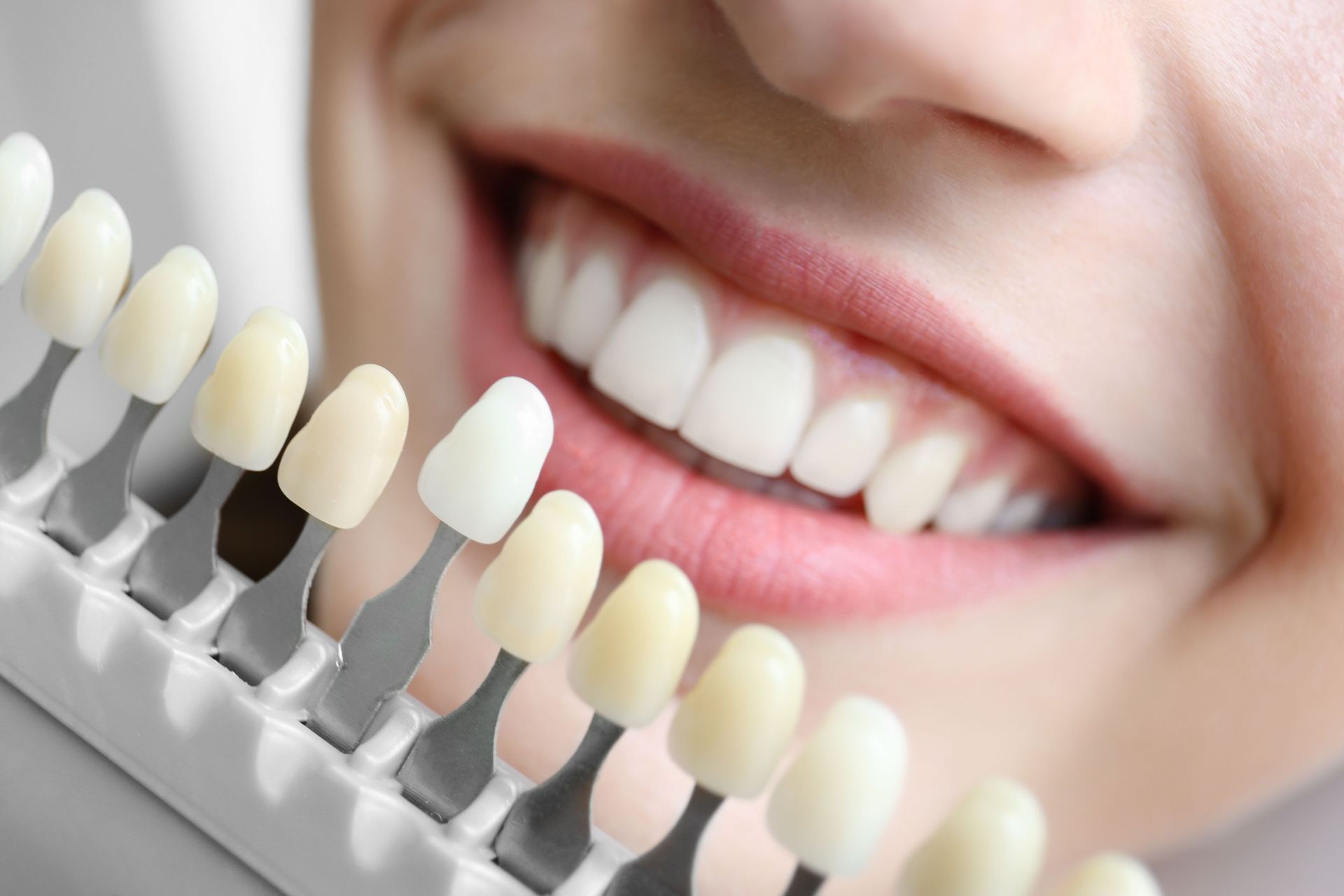
Tooth discoloration can occur due to aging, medications, trauma, or lifestyle habits. While whitening treatments are effective for many patients, certain stains may not respond as desired. Dental bonding offers another way to improve tooth color by covering discoloration with custom-shaded composite resin. The material is selected to match neighboring teeth and create a brighter, more consistent appearance.
Unlike procedures that require extensive preparation, bonding can often address discoloration conservatively. Patients leave the office with immediate improvements and renewed confidence in their smiles. For those with stubborn stains, bonding can provide a practical alternative that supports the goals of cosmetic dentistry.
Supporting Oral Function and Protection
In addition to improving aesthetics, bonding can enhance tooth function. Worn edges caused by grinding or natural wear may compromise chewing efficiency and increase the risk of additional damage. Composite resin can reinforce weakened areas while restoring normal contours. This added support helps distribute biting forces more evenly and protects remaining tooth structure.
Bonding may also be used to fill cavities after decay removal. Tooth-colored fillings blend naturally with surrounding enamel while restoring function. Because of its versatility, cosmetic dentistry often overlaps with restorative care, allowing patients to benefit from treatments that address both appearance and oral health.
Maintaining Bonding Results
Although bonding offers durable results, proper maintenance plays a significant role in longevity. Bonded restorations generally last several years before requiring touch-ups or replacement. Daily brushing and flossing remain essential for preserving oral health and protecting restorations. Patients should also attend regular dental examinations so their dentist can monitor the condition of bonded teeth.
Certain habits can shorten the lifespan of bonding materials. Chewing ice, biting fingernails, opening packages with teeth, and consuming excessive staining foods and beverages may contribute to wear or discoloration. Patients who grind their teeth may benefit from wearing a custom night guard to minimize stress on restorations. With appropriate care, bonding can continue enhancing smiles for many years.
Determining Whether Bonding Is Right for You
Dental bonding works best for individuals with healthy teeth and gums who wish to address minor cosmetic concerns. Common candidates include those with chipped teeth, small gaps, uneven edges, discoloration, or slight shape irregularities. Before treatment, dentists perform comprehensive evaluations to assess oral health. Existing decay, gum disease, or structural concerns may require attention before proceeding.
Patients should also understand the limitations of bonding. While effective for many situations, extensive damage or major alignment concerns may require alternatives such as veneers, crowns, or orthodontic treatment. Open discussions with a dental professional help establish realistic expectations and identify the most suitable treatment plan. Because cosmetic dentistry encompasses a variety of procedures, individualized recommendations remain essential to achieving satisfying outcomes.
The Confidence of a Renewed Smile
The benefits of dental bonding extend beyond physical improvements. Many individuals experience increased confidence after enhancing their smiles. Feeling comfortable when speaking, laughing, and interacting with others can positively influence both personal and professional relationships. Improved self-esteem often encourages greater social engagement and contributes to overall well-being.
The ability to achieve noticeable changes through a relatively simple procedure makes bonding especially appealing. Patients appreciate seeing immediate results that reflect their goals and preferences. As techniques and materials continue to advance, cosmetic dentistry will likely expand the possibilities available through dental bonding. Improved composites and evolving technologies promise even greater precision, durability, and aesthetic outcomes in the future.
Dental bonding demonstrates how one treatment can successfully repair, reshape, and renew a smile. From correcting chips and gaps to improving tooth color and symmetry, it addresses a wide range of concerns while preserving natural tooth structure. Its efficiency, affordability, and versatility continue to make it a valuable option in cosmetic dentistry for patients seeking meaningful improvements without extensive procedures.
If you're considering ways to enhance your smile, our team at McDaniel Family Dental can help you explore whether dental bonding is right for you. Through personalized care and thoughtful treatment planning, they can guide you toward solutions that support both your confidence and long-term oral health. Contact us today!