May 4, 2026
Tooth loss and severe dental deterioration can affect nearly every aspect of daily life, from the ability to chew comfortably to confidence in social situations. One of the most reliable long-term solutions available in modern dentistry is dental implants. These restorations are designed to replace missing teeth in a way that closely mimics natural tooth structure, function, and appearance.
Many patients do not immediately realize when they have reached the point where restorative treatment is necessary. In some cases, damage progresses gradually due to decay or gum disease. According to Healthline, approximately 4 in 10 adults aged 30 and older experience some form of periodontitis, a serious gum infection that can eventually lead to tooth loss if left untreated. Because this condition is so widespread, understanding the warning signs and treatment options is essential. Dental implants are often recommended when tooth loss has already occurred or is imminent, and learning how they work can help patients make informed decisions about their oral health.
What Are Dental Implants and How Do They Work?
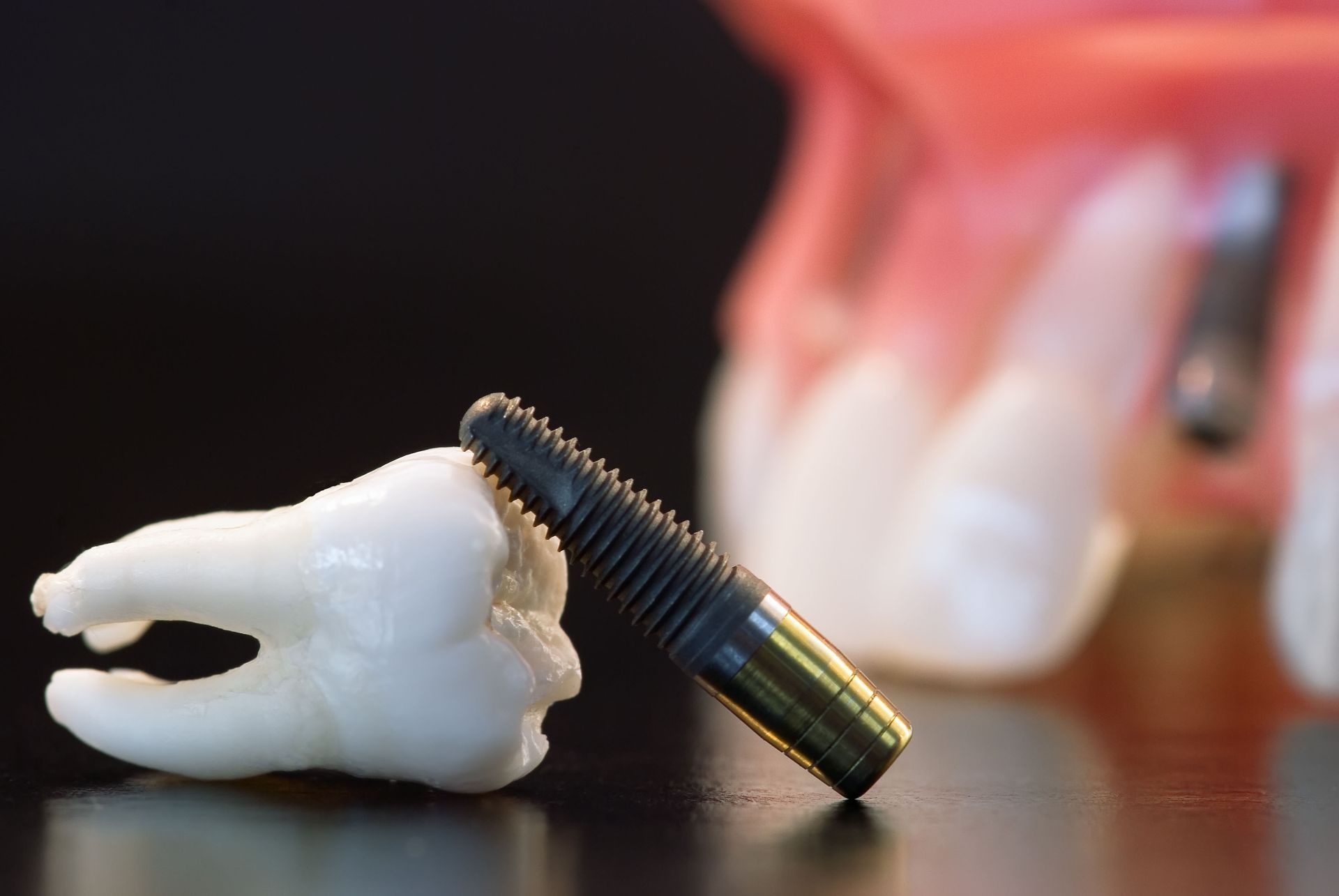
Dental implants are artificial tooth roots, typically made of titanium, that are surgically placed into the jawbone. Once integrated with the bone, they provide a stable foundation for replacement teeth such as crowns, bridges, or dentures. This integration process, known as osseointegration, is what makes dental implants so durable and reliable compared to other restorative options. Over time, the bone naturally fuses with the implant surface, creating a secure anchor that can withstand the forces of normal chewing and biting. This biological connection is a key reason dental implants are often considered the closest replacement to natural teeth.
A complete implant system usually consists of three parts: the implant post, the abutment, and the crown. The post is embedded in the jawbone, the abutment connects the post to the visible restoration, and the crown is the part that resembles a natural tooth. Together, these components allow dental implants to function much like real teeth in both appearance and performance. The crown is carefully customized to match the color, shape, and size of surrounding teeth, helping ensure a seamless blend within the smile. In many cases, patients even forget which tooth has been replaced once healing is complete.
Unlike removable dentures, dental implants do not rely on adjacent teeth for support. This independence helps preserve surrounding teeth and reduces long-term wear on the bite structure. For many patients, dental implants restore not just functionality but also confidence in their smile. They also help maintain jawbone health by stimulating the bone in a way similar to natural tooth roots, which can prevent the sunken facial appearance often associated with long-term tooth loss.
Who Is a Good Candidate for Dental Implants?
Not everyone is immediately eligible for dental implants, as successful placement depends on several health and anatomical factors. Generally, good candidates are individuals with healthy gums, sufficient jawbone density, and good overall oral hygiene habits. Since the implant must fuse with the bone, adequate bone support is essential for long-term success.
Patients who have lost bone density due to missing teeth may still be candidates for dental implants but might require preparatory procedures such as bone grafting. Additionally, individuals with uncontrolled chronic conditions such as diabetes or those who smoke heavily may face higher risks of implant failure, though these factors do not automatically disqualify someone from treatment.
Dentists also evaluate lifestyle habits and commitment to oral care. Because dental implants require ongoing maintenance similar to natural teeth, patients must be willing to maintain consistent brushing, flossing, and routine dental visits. When these conditions are met, dental implants can offer a highly successful and long-lasting solution.
What Are the Warning Signs You Might Need Dental Implants?
There are several indicators that may suggest a patient could benefit from dental implants. One of the most obvious signs is the presence of one or more missing teeth. Gaps in the smile not only affect appearance but can also lead to shifting of surrounding teeth, bite misalignment, and difficulty chewing.
Another warning sign is severe tooth decay that cannot be corrected with fillings, crowns, or root canal therapy. In such cases, extraction followed by dental implants may be the most effective long-term solution. Persistent gum disease is also a major factor, especially when it progresses to the point of bone loss or tooth mobility.
Pain while chewing, chronic infection, and loose teeth are additional red flags. These symptoms often indicate structural damage that may not be reversible. As noted earlier, periodontitis is a common cause of these issues, affecting a significant portion of adults and often leading to tooth instability over time.
Patients who experience difficulty speaking clearly or notice changes in facial structure due to missing teeth may also be candidates for dental implants. Early evaluation is key, as delaying treatment can lead to further bone loss and more complex restorative needs.
What Does the Dental Implant Installation Process Involve?
The process of receiving dental implants typically occurs in multiple stages and may span several months from start to finish. It begins with a comprehensive dental examination, including X-rays or 3D imaging, to assess bone structure and determine placement strategy.
The first surgical step involves placing the implant post into the jawbone. This procedure is usually performed under local anesthesia and is considered minimally invasive. After placement, a healing period is required to allow the implant to integrate with the bone. This phase can take several weeks to a few months, depending on individual healing rates.
Once integration is complete, the abutment is attached to the implant. This component serves as the connection point between the implant and the final crown. After the gums heal around the abutment, impressions are taken to create a custom crown that matches the surrounding teeth in shape and color.
Finally, the crown is secured, completing the restoration. At this point, the dental implants function much like natural teeth, allowing patients to chew, speak, and smile comfortably. While the process requires time and patience, the long-term benefits are often considered well worth the effort.
How Much Do Dental Implants Cost and Are They Covered by Insurance?
The cost of dental implants can vary widely depending on factors such as the number of implants needed, the complexity of the case, geographic location, and whether additional procedures like bone grafting are required. On average, a single implant can represent a significant investment compared to other tooth replacement options.
Insurance coverage for dental implants also varies. Some dental insurance plans may cover portions of the procedure, such as extractions or crowns, while others may classify implants as elective and provide limited or no coverage. Patients are often encouraged to review their insurance policies carefully and consult with their dental provider to understand potential out-of-pocket costs.
Despite the upfront expense, dental implants are often considered cost-effective over time due to their durability and low maintenance requirements. Unlike dentures or bridges that may need replacement or adjustment, dental implants are designed to last for many years with proper care, making them a long-term investment in oral health.
Recognizing the signs of tooth loss and understanding available treatment options is essential for maintaining long-term oral health. Dental implants offer a durable and natural-looking solution for patients experiencing missing or severely damaged teeth. From understanding candidacy to navigating the installation process and cost considerations, being informed allows patients to make confident decisions. For many individuals,
dental implants represent not just a restoration of teeth, but a restoration of function, comfort, and confidence. If you're considering dental implants, reach out to the team at McDaniel Family Dental today!