June 30, 2026
As individuals age, maintaining oral health becomes increasingly important. The unique challenges seniors face regarding dental care can have significant implications for their overall well-being. Finding a great dentist who understands these age-related changes can make all the difference in a senior's quality of life. This article explores the critical reasons why senior dental care is essential and offers guidance on how to effectively maintain oral health in later years.
Understanding the Impact of Aging on Oral Health
Anatomical changes can lead to an increased risk of periodontal disease—a common condition affecting the gums and bones surrounding the teeth. This disease can cause severe discomfort, tooth loss, and even contribute to systemic health issues such as heart disease and diabetes. In order to address these issues, partnering with a great dentist to establish proper oral hygiene practices and regular dental visits is crucial. Awareness and early intervention can help manage the impact of these anatomical changes on oral health.
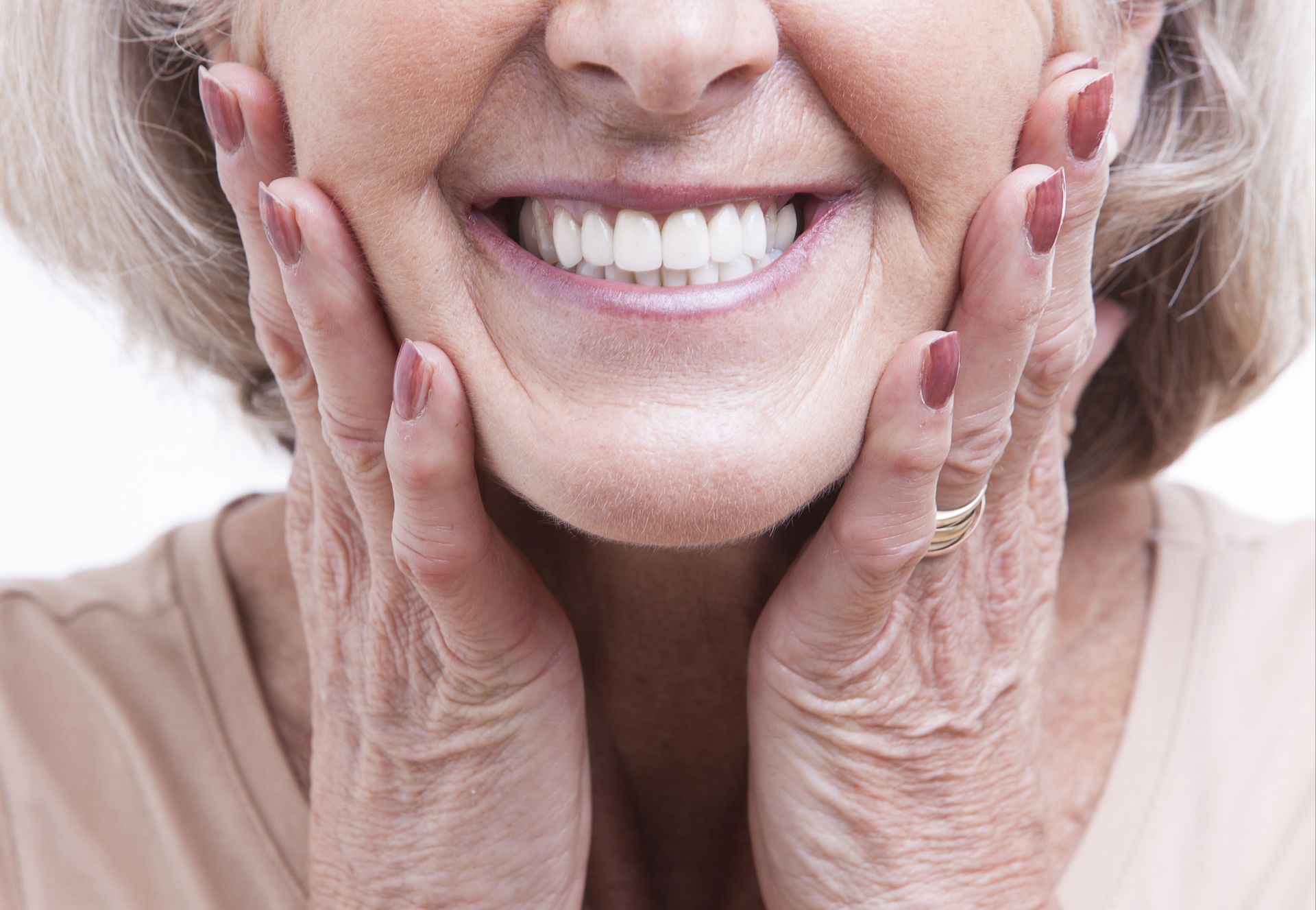
Additionally, older adults may experience natural shrinkage of the jawbone, which can affect how dentures fit. Poorly fitting dentures can cause sore spots, chewing difficulties, and impaired nutritional intake. Considering this, ensuring that dentures fit correctly and exploring corrective measures if needed is imperative. Regular adjustments and check-ups with dental professionals can mitigate these issues, enhancing comfort and functionality for seniors. Comprehensive knowledge of the anatomical changes due to aging is a critical element in maintaining optimal oral health in later years.
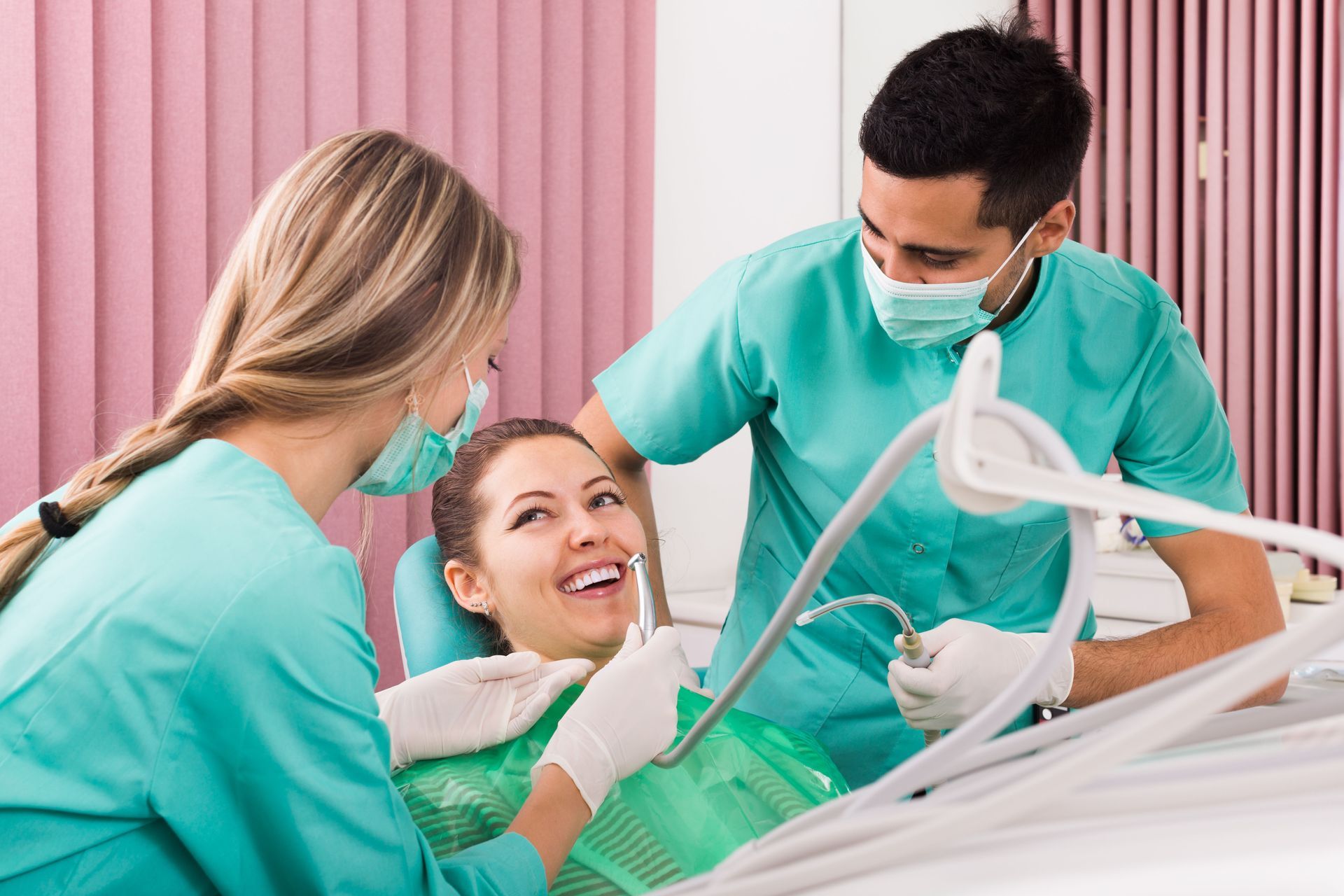
An essential part of managing dental issues involves regular dental check-ups for early detection and intervention. Unfortunately, many seniors may avoid or delay dental visits due to mobility issues, financial constraints, or a belief that dental problems are an inevitable part of aging. Guidance from caregivers and healthcare professionals, alongside accessible services from a great dentist, can promote better oral health outcomes. Regular professional cleanings and examinations can help detect issues early, allowing for timely and often less invasive interventions.
Furthermore, oral cancer remains a significant concern, with seniors at higher risk. Early detection through routine screenings can make a substantial difference in treatment outcomes. Dental professionals play a key role in conducting oral cancer screenings and educating older adults about warning signs. Encouraging seniors to maintain vigilance over oral health changes and participate in routine dental assessments is paramount. Proactively addressing these common dental issues with the help of a great dentist supports healthier, longer lives for aging adults.
Connecting Oral Health to Overall Well-Being
Oral health is intrinsically linked to overall health, with potential repercussions affecting the entire body. Poor oral hygiene has been associated with infections, inflammation, and systemic diseases such as diabetes and cardiovascular disease. Additionally, bacteria from periodontal infections can enter the bloodstream, leading to further health complications. For seniors, the importance of maintaining good oral health goes beyond aesthetic considerations, serving as a preventive measure against broader health issues.
Moreover, maintaining oral health can enhance a senior's ability to chew and digest food properly, promoting better nutrition. Malnutrition is a significant concern for older adults, often exacerbated by dental issues that make eating difficult or painful. A healthy oral environment supports nutritional intake and digestion, ultimately contributing to better overall well-being. A great dentist can enhance seniors' awareness of the oral-systemic connection and encourage proactive dental care to promote whole-body health. Oral health issues in seniors can significantly affect psychological and social well-being. Poor oral hygiene, visible decay, and tooth loss might cause self-consciousness or embarrassment, leading to social isolation. This withdrawal can exacerbate feelings of loneliness and depression, which are already prevalent in older populations. Addressing oral health problems can help seniors maintain an active social life and enjoy better mental health.
The psychological impact of dental problems also extends to anxiety and stress, particularly concerning dental procedures or anticipated pain. A great dentist can alleviate these concerns by educating seniors on available pain management and minimally invasive techniques, and encouraging regular dental visits. Additionally, supportive environments that promote understanding and patience can help ease these anxieties. Facilitating open communication between seniors, dental professionals, and caregivers is crucial to ensuring a comfortable and supportive experience.
Overcoming Challenges in Senior Dental Care
Many seniors face significant financial barriers when seeking dental care, limiting access to essential treatments and preventative services. Retirement often leads to a decrease in regular income, making dental procedures financially burdensome. Unfortunately, Medicare, the primary health insurance for seniors, does not cover most dental care, exacerbating this financial challenge. This lack of coverage can result in delayed or foregone dental visits, contributing to deteriorating oral health.
Without proper financial support, seniors may resort to ineffective over-the-counter solutions instead of professional treatments. The high cost of dental care may lead to prioritizing other healthcare needs over oral health, which can worsen overall health outcomes. Policymakers and healthcare organizations must address these financial barriers, possibly by extending coverage or offering subsidies. Community programs providing free or reduced-cost dental services can also help bridge this gap, improving accessibility for economically disadvantaged seniors.
Insurance coverage plays a pivotal role in determining seniors’ access to dental care, often impacting affordability and treatment choices. Traditional dental insurance typically covers a portion of preventive services but may limit coverage for more extensive treatments such as root canals or dentures. According to Gitnux, there are over 200,000 practicing dentists in the United States, meaning availability is widespread, yet financial barriers still heavily influence a senior's ability to seek routine or advanced care. Seniors without dental insurance face substantial out-of-pocket expenses, deterring regular dental visits and essential care.
Dental offices can implement accommodations such as wheelchair accessibility, transportation services, or extended appointment times to better serve seniors. Providing sufficient support and adaptive tools can enhance oral hygiene practices at home, promoting self-care despite physical challenges. Engaging a great dentist who accommodates these physical restrictions ensures comprehensive oral care, compensating for a senior's limitations.
Adapting Dental Hygiene Practices for Seniors
Adapting oral care routines for seniors is crucial in maintaining their dental health as they encounter changes associated with aging. Recognizing the impact of age-related conditions such as arthritis, caregivers and seniors can incorporate tools like electric toothbrushes or adaptive flossing devices for easier maneuverability. Modifying these routines to accommodate physical limitations promotes consistent oral hygiene practices. Consistency in daily oral care, including brushing and flossing, is essential to prevent decay and gum disease.
Moreover, education plays a key role in empowering seniors to maintain proper oral hygiene practices despite age-related challenges. Dental professionals can offer guidance on selecting appropriate products or adapting techniques to suit individual needs. Reinforcing these practices during regular dental visits encourages seniors to sustain oral care standards. Caregivers can contribute by assisting with routines and providing reminders, ensuring thoroughness and consistency.
Seniors should consider dental tools that aid in achieving thorough cleaning and maintaining hygiene. Electric toothbrushes, with gentle yet effective cleansing capabilities, can facilitate comprehensive plaque removal for those with limited dexterity. Finding a great dentist can help seniors get personalized product recommendations that fit their unique lifestyle needs.
Prioritizing Long-Term Oral Health and Success
Protecting oral health in later years is a vital component of healthy aging. While the physiological changes, financial barriers, and mobility challenges of senior dental care require specialized attention, they are entirely manageable with the right support system. Prioritizing routine check-ups, adapting daily habits, and addressing systemic connections can help older adults retain their smiles, confidence, and overall health for years to come. Finding specialized, compassionate care shouldn't be a challenge.
At McDaniel Family Dental, we are dedicated to providing the gentle, comprehensive oral care that seniors need to thrive. Schedule your appointment with McDaniel Family Dental today and let us help you protect your smile in your golden years!