January 7, 2026
The importance of oral health cannot be overstated, yet many people often overlook the subtle signs that indicate it's time to visit the dentist. Regular dental check-ups are crucial for maintaining oral hygiene and preventing serious dental issues. This article will discuss the key signs that you should pay attention to and why it's essential to consult a dentist promptly. Understanding the reasons behind dental symptoms can empower individuals to take proactive steps toward oral health.
Persistent Toothache
Understanding the Causes
Persistent toothache can stem from various causes, including cavities, gum disease, or an abscessed tooth. It is essential to recognize that tooth pain is not merely a nuisance but a potential signal of deeper issues. Identifying the cause of the pain can help in determining the appropriate treatment. Ignoring these signs can lead to complications, such as infections that spread beyond the oral cavity.
Dangers of Ignoring a Toothache
Neglecting a persistent toothache can result in severe dental complications. Untreated dental issues may lead to gum infections, tooth loss, or even systemic health problems. Regular visits to the dentist can prevent these adverse outcomes. Professional dental assessments allow for early intervention, ultimately saving time and discomfort. According to the Centers for Disease Control, 64.1% of adults have had a dental exam or cleaning in the past year, highlighting the importance of routine dental care.
Initial Home Remedies and Their Limitations
While home remedies might offer temporary relief from a toothache, they are not a substitute for professional care. Common practices include using clove oil, rinsing with saltwater, or applying cold compresses. These methods can alleviate pain temporarily but do not address the underlying cause. Relying solely on home remedies can delay necessary dental treatment and allow the condition to worsen.
Bleeding Gums
Signs of Periodontal Disease
Bleeding gums are a common sign of periodontal disease, an inflammation of the gums that can affect the bone structure. Plaque buildup, if not properly removed, can lead to gingivitis and progress to more severe conditions. Early stages of gum disease may not be painful, making it crucial to note bleeding as a warning sign.
Proper Oral Hygiene Practices
Maintaining proper oral hygiene is fundamental in combating bleeding gums and preventing periodontal disease. Brushing at least twice a day and flossing daily can significantly reduce plaque accumulation. Regular dental check-ups ensure plaque and tartar do not lead to more severe complications. Dentists can also advise on proper brushing techniques and recommend suitable dental products.
Role of Diet in Gum Health
Diet plays a pivotal role in maintaining gum health. Consuming a balanced diet rich in vitamins and minerals can support immune function and enhance oral health. Foods high in vitamin C and calcium can strengthen gum tissue and tooth enamel. Avoiding sugary snacks and beverages can prevent bacterial growth that leads to plaque formation. Comprehensive dietary management, coupled with good oral hygiene, can significantly improve gum health.
Bad Breath (Halitosis)
Common Culprits of Bad Breath
Bad breath, or halitosis, can be caused by a variety of factors, including poor oral hygiene, medication side effects, or dietary choices. Failure to remove food debris and plaque can result in bacterial growth, emitting foul odors. Chronic bad breath might also indicate more serious conditions, such as gum disease or sinus infections. Identifying the underlying cause can aid in determining appropriate treatment.
Oral Hygiene Tips to Combat Halitosis
Effective oral hygiene practices are key to combating bad breath. Brushing the tongue as well as teeth can reduce bacteria responsible for odor. Flossing helps remove food particles trapped between teeth, preventing bacterial growth. Mouthwash can offer additional support, freshening breath and killing odor-causing bacteria. Consistency in oral hygiene habits mitigates the risk of persistent halitosis.
Dental Conditions Linked to Bad Breath
Several dental conditions can lead to bad breath, including periodontal disease, cavities, and poorly fitting dental appliances. These conditions create environments that harbor bacteria, contributing to persistent odors. Regular dental check-ups aid in the early detection and treatment of these issues. Professional cleanings and proper dental interventions can improve oral health and eliminate bad breath.
Sensitivity to Hot or Cold
Causes of Tooth Sensitivity
Tooth sensitivity to hot or cold can be caused by worn enamel, exposed dentin, or gum recession. Factors such as aggressive brushing, acidic foods, or teeth grinding may exacerbate sensitivity. It is crucial to determine the source of sensitivity to provide appropriate treatment. A professional assessment can uncover underlying dental issues contributing to discomfort.
Impact of Tooth Sensitivity on Daily Life
Tooth sensitivity can significantly impact daily life, affecting eating, drinking, and even speaking. Pain from hot or cold stimuli can be disruptive and may lead individuals to avoid certain foods. Without intervention, tooth sensitivity can worsen and complicate everyday activities. Addressing sensitivity promptly can restore comfort and improve quality of life.
The Right Time to See a Dentist
Persistent tooth sensitivity warrants a visit to the dentist to rule out underlying concerns. When over-the-counter solutions fail to alleviate discomfort, professional evaluation is necessary. Dentists can identify issues such as tooth decay or erosion and recommend appropriate treatments. Early intervention can prevent more serious dental complications from arising.
Damage to Teeth
Types of Tooth Damage
Tooth damage can present in various forms, including cracks, chips, and decay. Accidents, biting hard objects, or neglecting oral hygiene can contribute to tooth damage. Early detection and treatment of these issues are crucial in preventing further deterioration. Professional dental care is essential in diagnosing and managing structural damage to teeth. Dentists assess the extent of damage and recommend suitable interventions.
Immediate First Aid for a Broken Tooth
If a tooth is broken, certain steps can be taken to mitigate damage before seeing a dentist . Rinsing the mouth with warm water and applying a cold compress can reduce swelling. Avoiding hard foods and using dental wax or sugar-free gum can protect the broken tooth. Seeking immediate dental care prevents complications and ensures proper treatment.
Dental Interventions for Tooth Repair
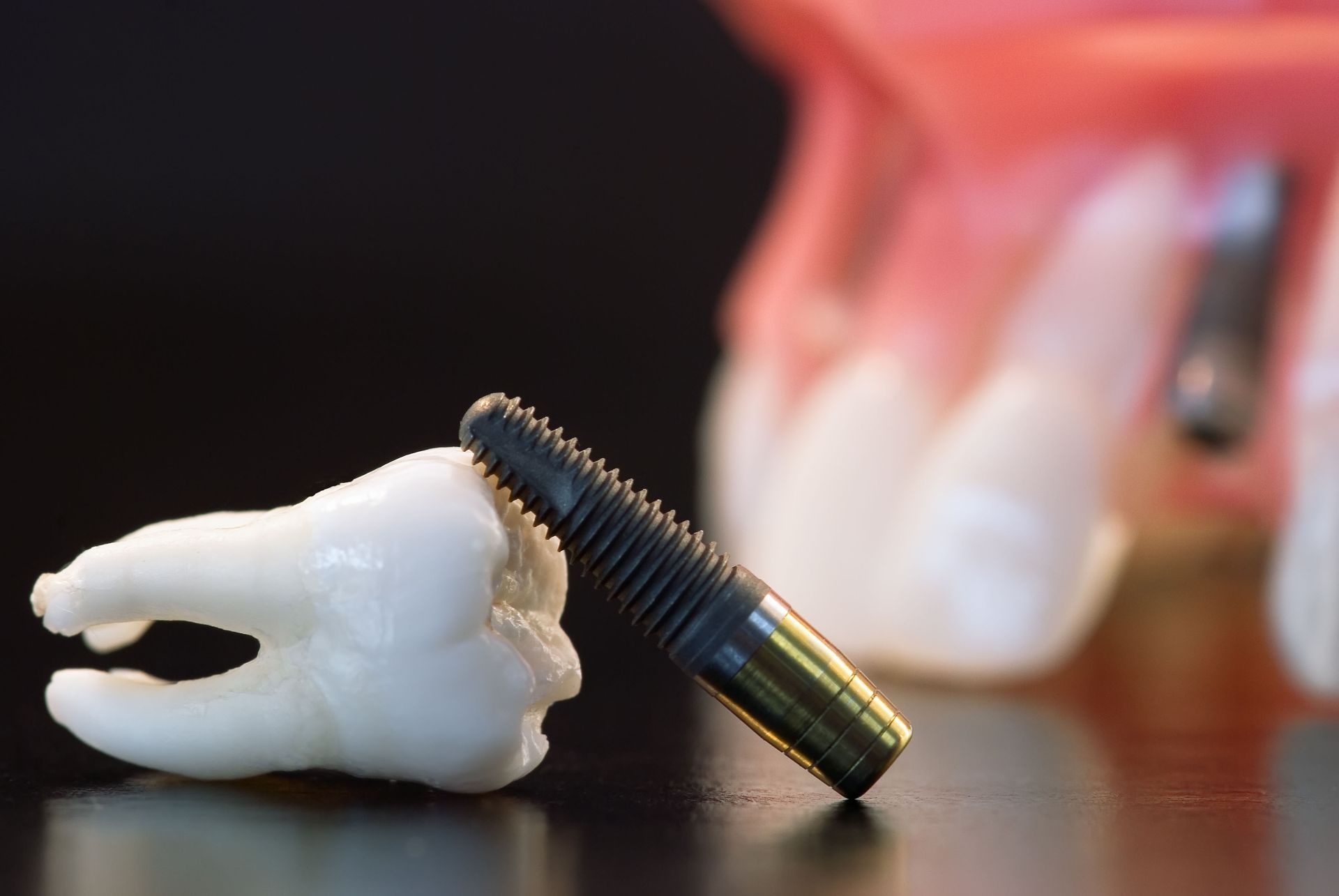
Various dental procedures are available for repairing damaged teeth. Fillings, crowns, and bonding are common solutions for cracks and chips. In severe cases, dental implants or root canals may be required. The choice of treatment depends on the extent and location of the damage.
Discoloration of Teeth
Common Causes of Tooth Discoloration
Tooth discoloration can result from several factors, including staining from food and drink, tobacco use, or aging. Intrinsic stains may occur due to underlying medical conditions or certain medications. It is crucial to identify the cause of discoloration to determine effective treatment options. Discoloration can also indicate dental health issues requiring assessment.
Over-the-Counter Whitening Products
Many over-the-counter whitening products are available for those seeking brighter teeth. These products vary in effectiveness and may include strips, gels, or toothpaste. While they can provide some results, they are not as potent as professional treatments. Understanding product limitations is important for managing expectations.
Professional Whitening Options
Professional whitening options offer more significant results compared to over-the-counter products. In-office treatments provide immediate brightening effects through controlled application of bleaching agents. At-home kits prescribed by dentists offer convenience with monitored progress. The choice between in-office and at-home treatments depends on individual needs and preferences.
Ignoring the signs that indicate the need for a dental visit can lead to more severe complications down the road. By being attentive to symptoms such as persistent toothache, bleeding gums, and other issues outlined above, you can ensure your oral health remains in top condition and avoid more significant dental problems in the future. Ready for a healthier, brighter smile? Call McDaniel Family Dental to book your visit!